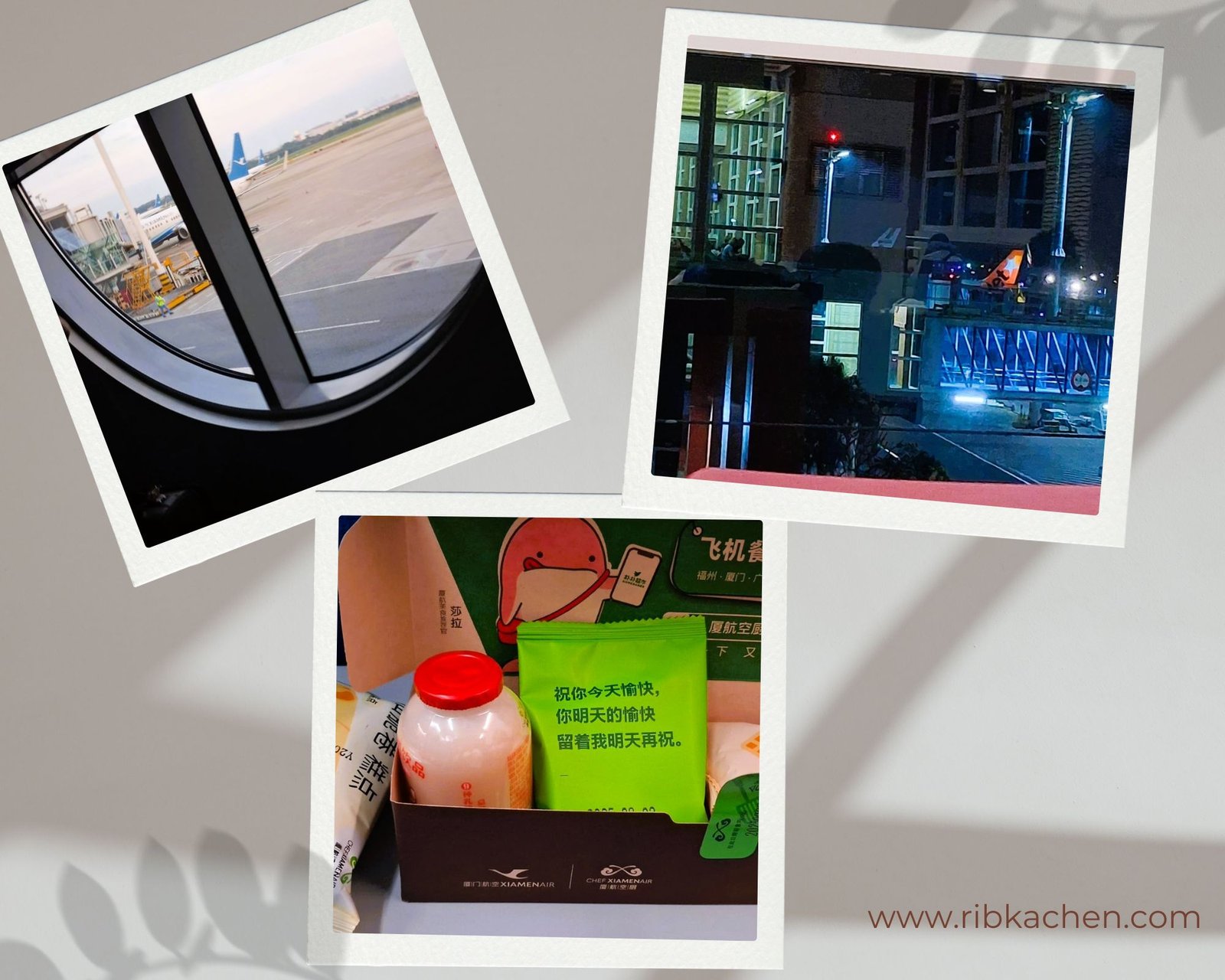
Two weeks before my flight to China, my suitcase was still empty. My Google tabs were full.
“What to pack for college”, “VPNs that work in China”, “Money converter”.
Moving to a new country feels terrifying in a quiet way — you don’t even know what you don’t know. I was scared of overlooking something essential. I was so afraid of being lost, not just physically, but also emotionally. What if I couldn’t adapt?
Turns out I didn’t need to worry too much. Walking through the city at night, I was so entranced by everything I saw. The buildings and streets looked magical with the lights on in the dark.
So, enjoy the experience. There are so many beautiful moments everywhere, like the bus drive to the campus, the campus entrance, and countless small moments as I discover more places and pay attention to the things around me.
My seniors wrote a guide book which was really useful, they wrote the things they recommend to pack, what we’ll be doing on the first few days, apps to be downloaded, etc. I’m hoping this post can be just as useful in telling you what you need to know before boarding the plane for China.
Disclaimer: This is all based on my own experience in Hainan, China. I’m here to tell you some things worth noting before your flight.
If you’re thinking of going to China, or if you’re already planning to — here are some useful tips that will hopefully soothe some anxious thoughts before arrival — covering apps, payments, communication, and life on campus:
- Quick Packing Checklist
Must-haves:
- Important documents required for registration and visa application, including passport, visa, admission letter, ID card, medical records, printed ID photos, etc.
- RMB in cash and international bank card.
- Your personal medicine
- Clothes. Make sure you have clothes for hot and cold weather. And bring the traditional clothing from your home country, it’ll be useful during cultural events on campus.
- Toiletries: toothbrush, toothpaste, soap, shampoo, conditioner, hairbrush, etc.
- Bags. For daily use like going to classes or to just hang out somewhere.
Optional, but recommended:
- Electronics: earphones, laptop/tablet, charger, universal adapter(China uses mainly type A and I, occasionally type C as well), etc.
- Stationery: notebooks, pens, etc.
- Water bottle and mug
- Comfort items to remind you of home
- Food, if you might crave something that tastes like home
- An umbrella
- Download a VPN Before You Even Board the Plane. Seriously, Before
You need to download a VPN app before you even step foot in the airport. Test it beforehand. Open something that you couldn’t access without it.
I had both free and paid VPN before I went to China. The moment I successfully opened an app after connecting to VPN, I felt so relieved. I didn’t realize I would be so anxious at the thought of being completely cut off from apps blocked by China.
In the midst of unfamiliarity, I could find solace in opening the apps I usually open, something to calm myself when things get overwhelming. And now I could write this blog and post it because I have VPN ;D.
Maybe some of you will wonder whether you should use a free or paid VPN. I know some people from my country who use free VPN and could get along just fine. The drawback is it takes longer to get to a server, it’s a bit harder to get the connection.
Personally, I think having a paid VPN is really convenient. Paid VPNs are faster to connect to a server.
- WeChat Is Not Just a Chat App — It’s Your Entire Life
Staying connected to the world outside of China is important, but you still have to navigate through China’s digital ecosystem. An app that is even more important than VPN is WeChat. WeChat is the main communication app in China.
It’s where you’ll be put in the dorm group, class group, the way you communicate with friends here. I was already in 5 different WeChat groups within the first week of arrival.
WeChat is also used for online payment, either by the store scanning your QR code or you scanning the seller’s QR code. You can connect a bank account with your WeChat so you can either top-up a certain amount or take money directly from the bank account.
The first time I paid for something through WeChat, it felt like I’m living in a futuristic society. I was struck by how quick, simple, and convenient it was.
In my country, although digital payment is definitely popular, cash payment is still common. Being in China where it’s rare to see anyone who uses cash, it feels like I’m living in a hyper-digitalized society. It’s a small cultural shock that reminded me that I really was in a different country.
Anyway, there are also mini-programs in WeChat, like for the school account. This is where I registered my face so I can get in through the gates through face scan. It’s also where I pay the electricity and water bills for the dorm room.
So, download WeChat immediately! To make a WeChat account, during the registration you would need someone who has a WeChat account for at least six months to verify it. If in your home country you’re not able to find someone who could verify your account for you, that means you have to do it in China as soon as you can.
I had a WeChat account using the phone number for my home country before I got to China. Then in China I got a Chinese phone number so I made a new account with that number. Using a Chinese phone number to make a WeChat account is generally safer.
The first time I got to the campus, the first thing I did wasn’t unpack. I bought food from the canteen. The canteen was so packed with students, nearly all of the seats were occupied. I secretly glanced at some of them to see what they ate.
My senior helped pay with her WeChat account (I did return the money later). At that time, I didn’t have a Chinese bank account. So, I brought RMB in cash and I gave them my money, and they transferred it to my WeChat account. You can transfer money in the chats, or you can ask for their Alipay QR code, then enter the amount of money after scanning the code.
This is a small emotional thing, but it feels… quite nice to be helped. I’m so used to being the one helping and not vice versa.
I didn’t realize that I’ve always unintentionally withheld myself from asking for help. In my default settings, I’ve always figured out things on my own. It’s always been a habit that I never knew how it originated.
- Get a Chinese SIM Card ASAP
Like I mentioned, it’s safer to have a WeChat account with a Chinese number. My senior said that if I rely on the WeChat account with my home country’s phone number, there’s a risk that the account might get blocked at some point.
You’ll need this SIM card to buy mobile data and it’ll be used as information for apps other than WeChat. For example, to make accounts for Pinduoduo for online shopping.
I remembered seeing the second SIM Card on the phone settings and it struck me how I’m really moving into this new society.
- Most Chinese People Aren’t Fluent in English
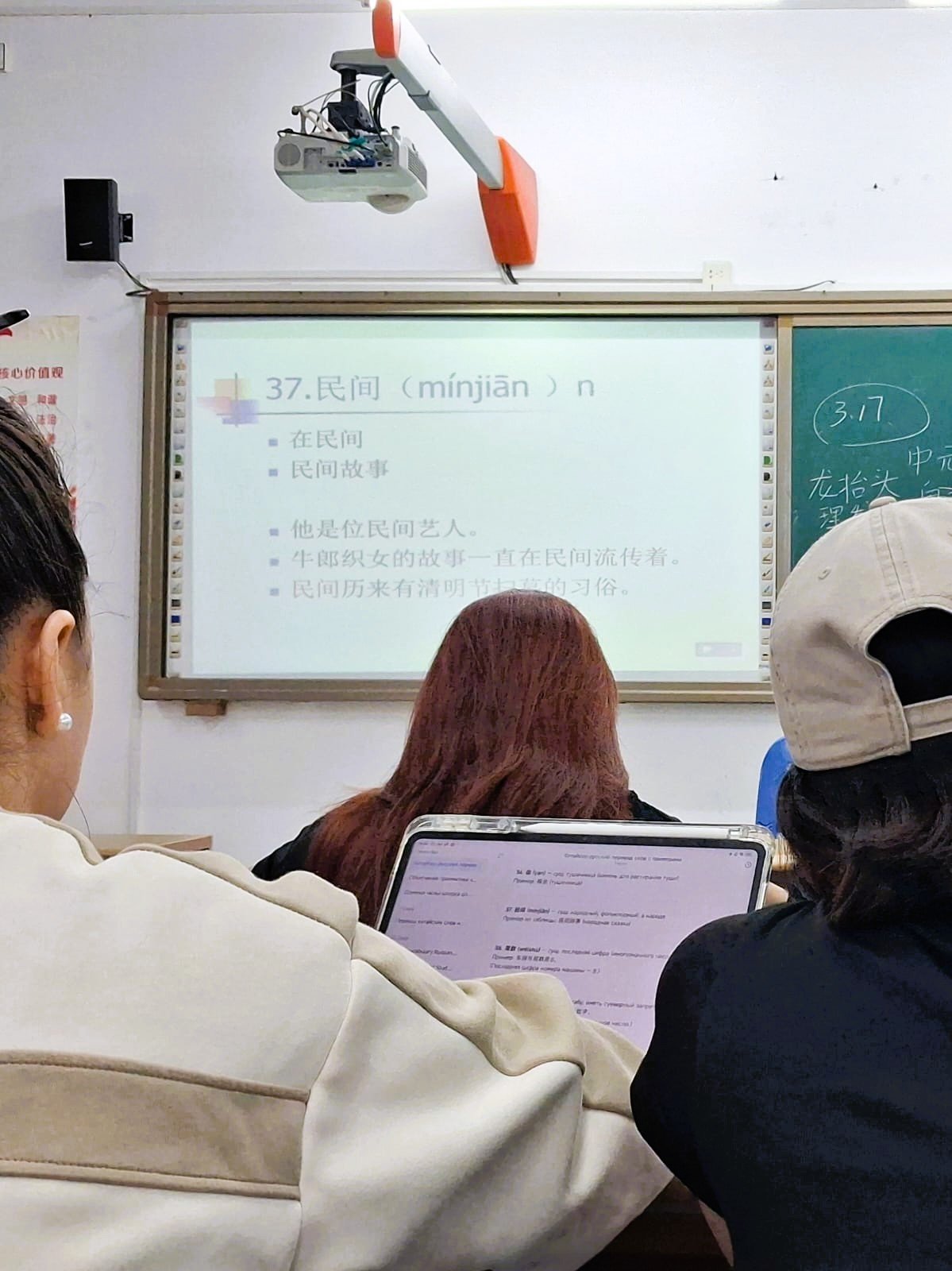
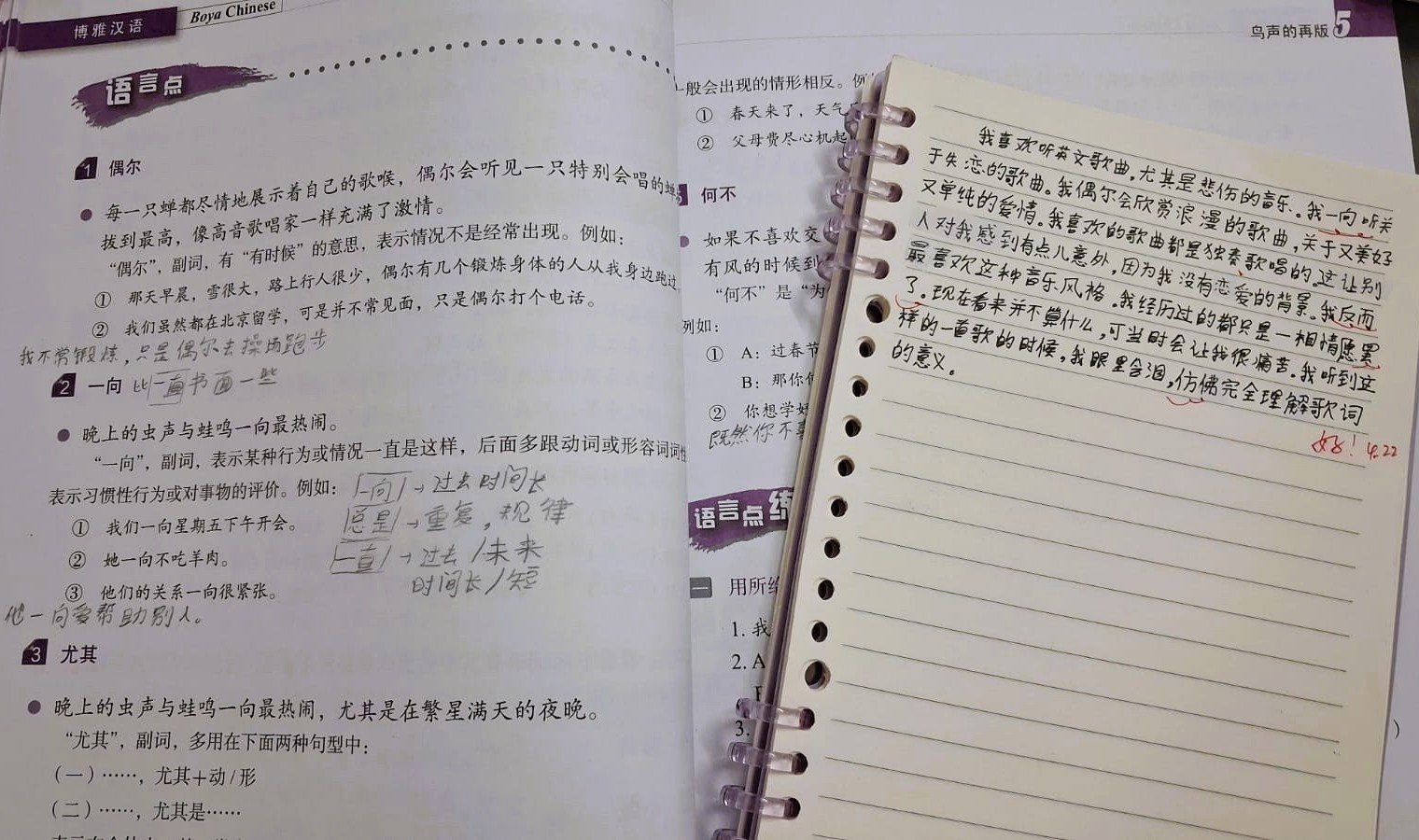
I think it’s best if you have some knowledge of basic Mandarin before you head to China. My level was around HSK 3-4 when I got to China.
This is actually a good thing, it forces you to try your best to use Mandarin. It practices your listening and speaking ability.
- Spoken Mandarin Sounds Different from Textbook Mandarin
In real life, Chinese people don’t talk like how you hear people speak in listening tests or book audios. They talk much quicker.
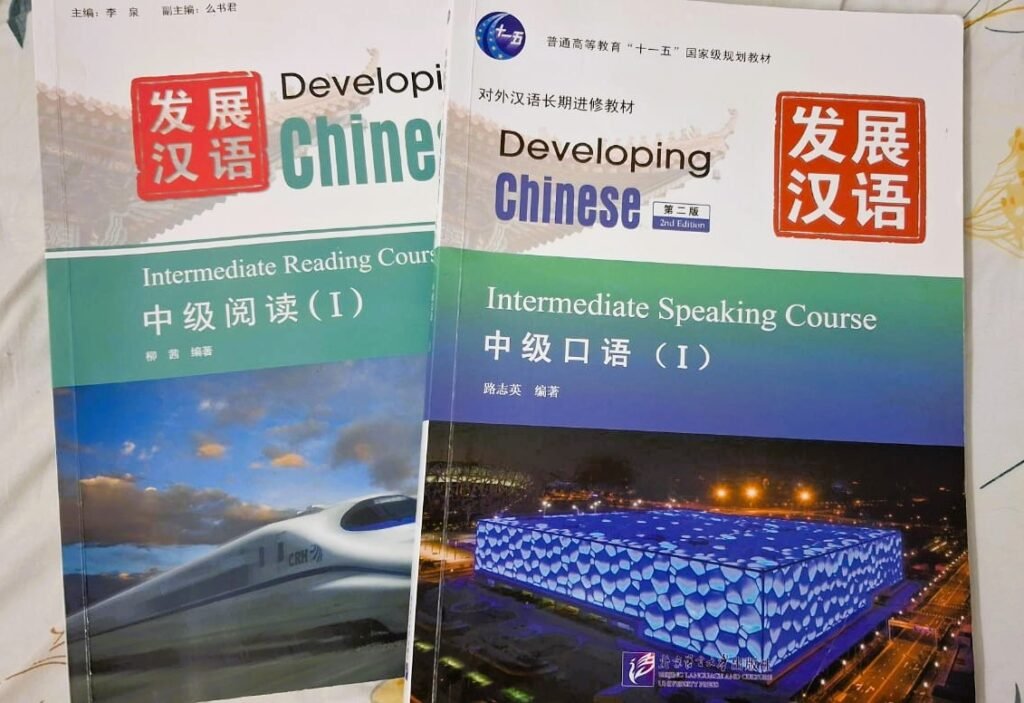
The way they speak also has an accent depending on where they were brought up. Sometimes you can hear locals talking in other Mandarin dialects that are different from standard Mandarin.
- Online Shopping
Apps like Pinduoduo (拼多多), Taobao (淘宝), and Dewu (得物) will test your self-control. It’s dangerously addictive, so be mindful of your spendings. It’s strange to see that when something is too convenient, it becomes a problem too.
On campus there’s a Cainiao (菜鸟) station where you collect your packages. When it arrives, you can look up the shelf and rack number of your package. On the package there will be the last four digits of your number along with your last name.
One clever thing that I think was suggested by one of my seniors, was to keep your non-Chinese name for the account. It’s easier to find your package when everyone else’s name is in Chinese characters while yours is one of the few alphabetical ones.
It’s actually quite fun to get packages. It’s like buying yourself presents.
- Maps Apps
In China there’s Baidu Maps (百度地图) and Amap (高德地图). This is so useful to provide the route to get to places.
Admittedly, it took me a while to get the hang of using it. I was spinning around and taking steps back trying to get on the right track :’D. But when you do get the hang of it, it makes traveling convenient. You can also check bus routes and order taxi (打车) through the app.
- Even Chinese People Still Get Confused
I thought only foreigners would get confused. Then I was at a Cainiao station and some Chinese student was asking things to the staff. Some Chinese people get confused when ordering Didi. When I was on the bus someone asked the driver how to scan to pay for the bus fees. Turns out no one knows everything.
- Staying During Holidays – Plan Ahead
I think this was one of the things I questioned before I got to Hainan. It’s not possible for me to go back to my home country for every break, so I had to stay at the dorm this winter break.
Only one canteen still opens during the break. The school mall is closed down too, as well as most stores on campus.
Walking around the campus during winter break is so peaceful. I usually only see a few people outside, I didn’t even have to wait for anyone before crossing the road. Most of the Chinese students have gone back to their hometown to celebrate Chinese New Year (过年) with their family.

I think that even after only 5 months of living in China, I changed a lot. This is part of my coming-of-age chapter where it’s not just about discovering new things, but it’s also the chapter where I learn more about myself and become more independent. I think I slowly grew out from always being instructed, to making decisions for myself.
Hopefully with these tips you can also prepare yourself mentally to avoid too much culture shock. And remember, just have fun and trust the process!
You’re probably anxious right now, but one day you’ll be sitting in a chair looking at the sunset and it almost feels like you belong. One day you’ve closed all your Google tabs and you’ll be dragging your heavy luggage on the way to your dorm, and you won’t be able to believe that you’ve made it this far.




Leave a Reply